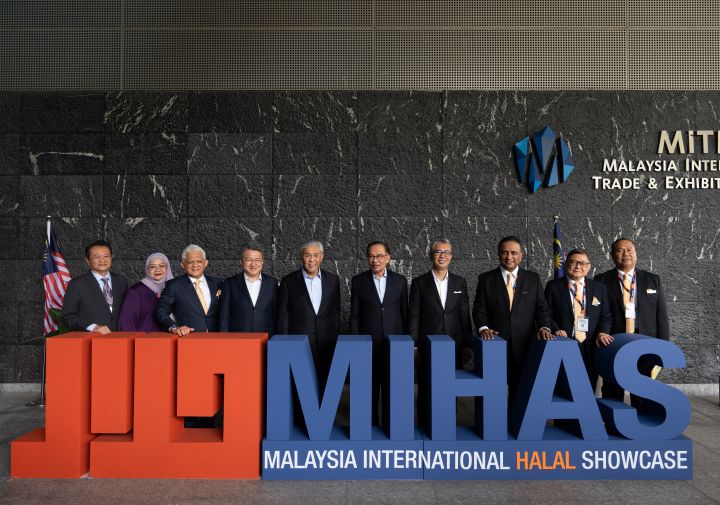
Day one of MIHAS 2026 opened with a fairly staggering number: 450 international buyers from 58 economies showed up through the International Sourcing Programme (INSP), including 50 premium buyers with a combined annual revenue of nearly RM700 billion. So just how big is Malaysia’s halal market pull, exactly?
INSP itself serves as MIHAS’s primary growth engine, leveraging high-intensity B2B matching sessions to convert pre-vetted, high-intent buyer interest into real export orders. It’s this approach that sets the programme apart from an ordinary trade show — every meeting is designed to carry transactional potential from the outset, not just serve as an introduction.
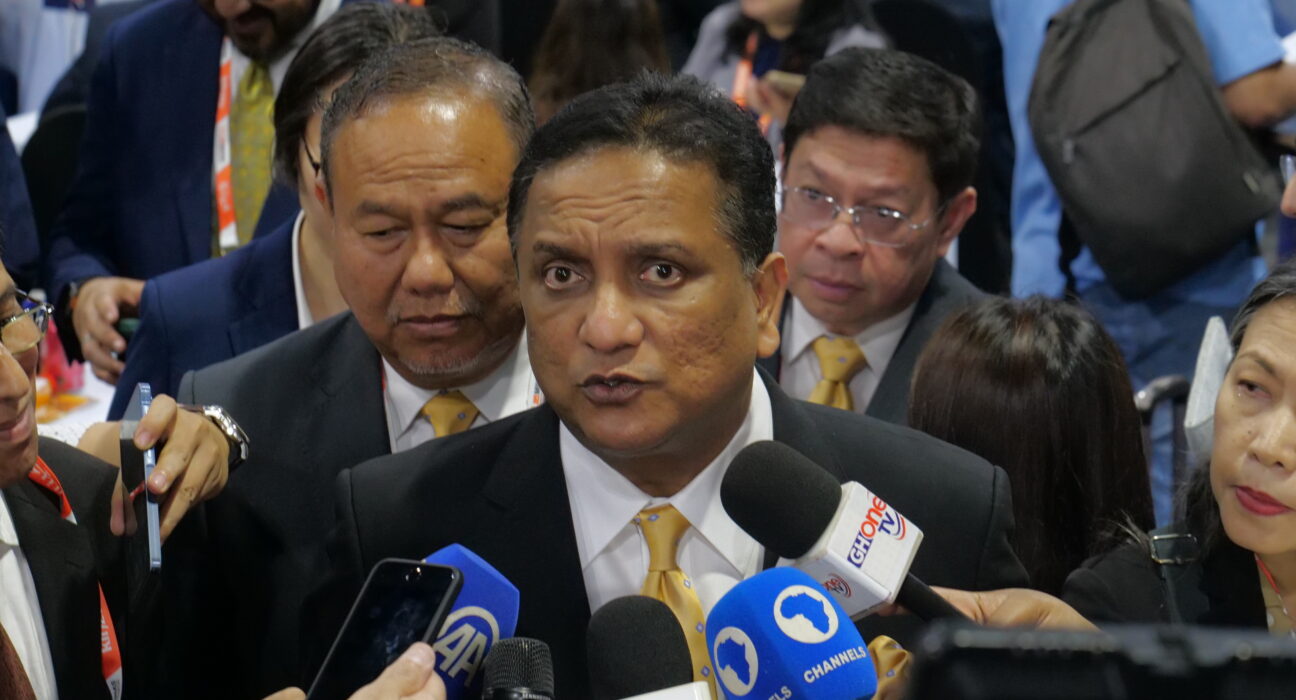
If MIHAS has long been synonymous with halal food and beverage products, this year paints a broader picture. According to MATRADE Chairman Dato’ Seri Reezal Merican Naina Merican, premium buyer interest is increasingly pointing beyond F&B — into specialised ingredients, biotechnology, Islamic finance, logistics, and education. This shift signals a new direction for Malaysia’s exports, one that’s more services-led and globally integrated.
Regionally, buyers from Northeast Asia and ASEAN remain the largest contingents. Notably, though, this year’s INSP also welcomed economies participating for the very first time, including Comoros and Rwanda — alongside growing African representation as a key non-traditional market. Their presence shows Malaysia’s halal ecosystem is now reaching markets that haven’t been tapped much before, not just the countries long known as established halal consumer bases. Overall, this year’s buyer mix is described as a balanced blend of traditional and non-traditional markets — evidence that INSP’s global footprint keeps expanding year after year.
“INSP represents the core engine and ‘soul’ of MIHAS. With international buyers actively seeking high-quality Malaysian halal products and services, our local SMEs must take full advantage of this platform,” said Reezal Merican. He noted the programme has long served as a direct catalyst for local businesses to access high-value global trade networks. He added that the commercial calibre of these buyers directly advances Malaysia’s export diversification, driving a shift toward services-led exports and deeper global supply chain integration.
This scale of interest also aligns with projections that the global halal market will reach USD10 trillion by 2030 — making MIHAS one strategic gateway for premium buyers to secure market share in an industry that keeps growing.
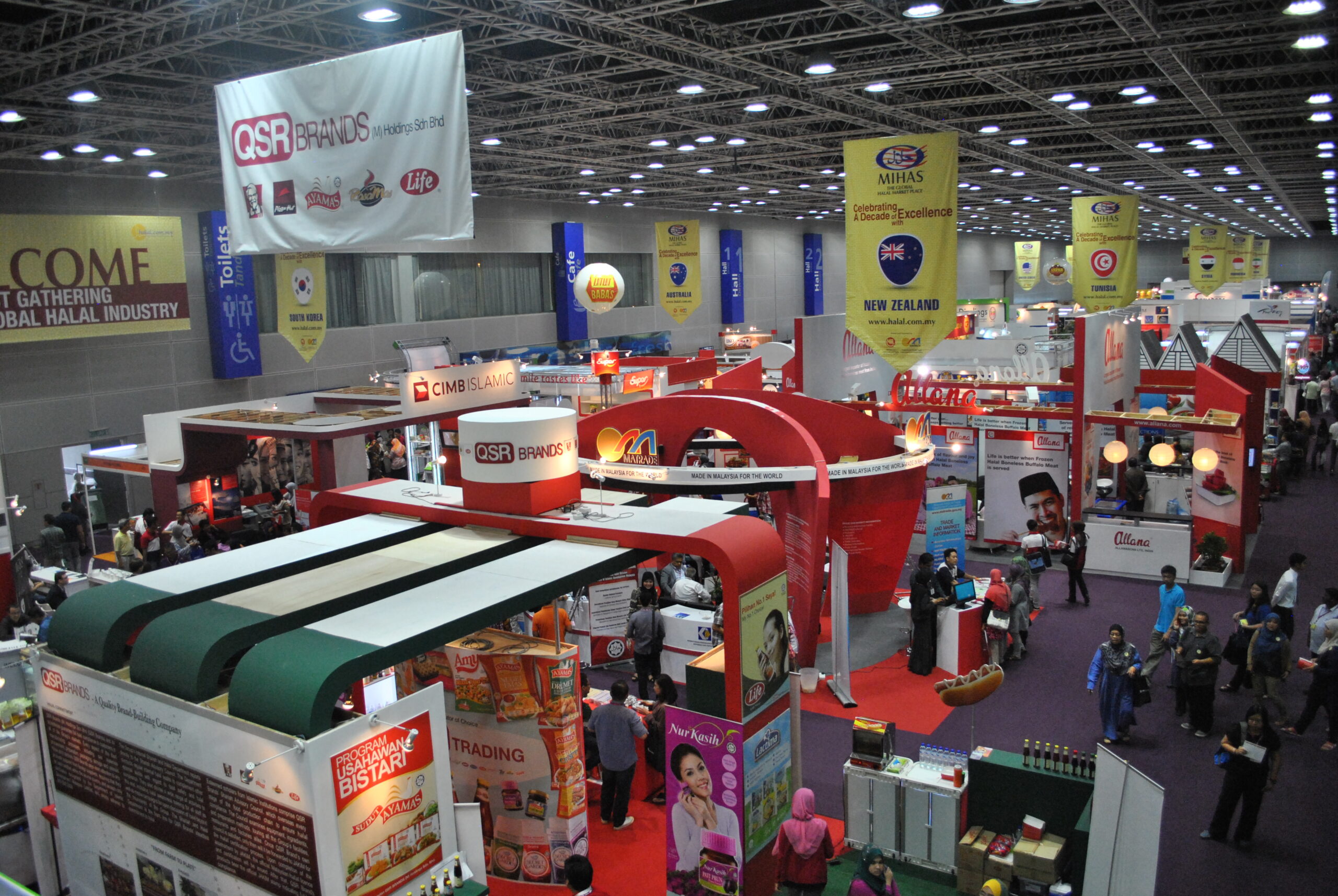
MIHAS itself has run since 2004 and is now in its 22nd edition, holding a Guinness World Records title and spanning 14 halal industry sectors — from food and beverage and pharmaceuticals to Islamic finance and Muslim-friendly tourism. For anyone curious to see the scale of these international buyers firsthand, visitor registration for MIHAS 2026 remains open through the event’s official portal.
Moslem Journey will continue tracking INSP and MIHAS 2026 throughout the four-day event. Stay tuned for full coverage.